Getting more from less: lessons from a charity conference that actually delivered
Most conferences promise big ideas. This one came with a sticky July afternoon and a refreshing dose of honesty about what really works in charity marketing. Yet somehow, amid the heat and humour, Salocin Group and Join the Dots managed to deliver what every charity marketer has been quietly craving: practical answers to the question how do we get more from less?
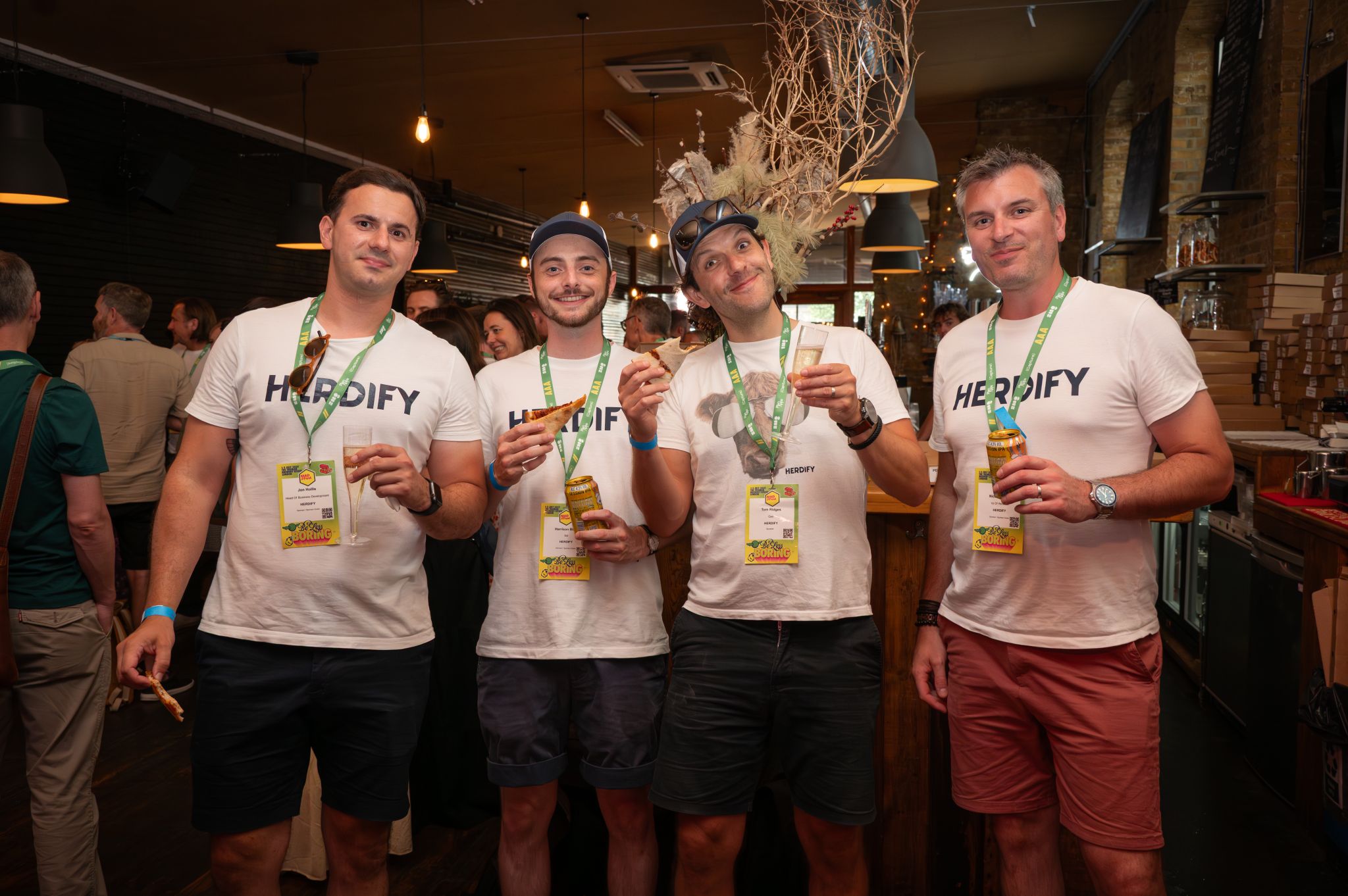
Herdify was proud to be headline sponsor, not because we love branded lanyards (we don’t), but because it was one of those rare days when big talk actually came with usable insight.

The reality check for charity marketers
Charitable giving in the UK still adds up to a healthy £15.4bn, but fewer people are donating at all. Only 36% of under-25s gave last year, the lowest of any group. Volunteering has also dropped by about 1.5m people. The money is there, but the herd is thinning.
And the job of the marketing leader? To keep growth coming anyway. Budgets are flat. Postage and print costs bite harder. Digital is noisy. Trustees still expect the same magic trick: more results, same spend.
What the day uncovered
Salocin and Join the Dots steered away from fluffy innovation chatter and stuck to what senior marketers needed:
- Data basics still win. Agree what “active” means, keep your records clean, and even simple RFV segmentation goes a long way.
- Outcome over volume. Stop piling on spend. Reallocate what you have into the areas that actually deliver.
- Behaviour spreads through people. Most gifts happen because of someone a donor knows. That is not a channel plan, that is a community plan.
- AI is a clever but clumsy intern. Great for scale, terrible when left alone.
- Change needs speed. Stakeholders will not hang around five years for your CRM to prove its worth. Quick wins keep belief alive.
And then came the soft opt-in, finally extended to charities. A small legislative shift, but a big opportunity. Used well, it could lift annual revenue by 3% (£252m across England and Wales). Used badly, it is just more noise in the inbox.

Turning insight into action
So, what is a charity marketing leader to do with all this? The unglamorous truth is that “more from less” is not about big bang campaigns. It is about focus.
- Map where the conversation already lives. Communities, not demographics.
- Build supporter journeys around moments that matter. A milestone, a local giving spike, a neighbour’s fundraiser.
- Swap volume for value. Face-to-face is back. Regular giving is resilient. High-value donors are on the rise. Cold mail, less so.
- Fix Gift Aid properly. Younger donors are not lazy, they are confused. Spell it out: “Tick this and we add £2.50 to your £10, at no cost.”
None of these are about doing more. They are about doing smarter. And that is exactly the kind of thinking trustees want to see in your board pack.
Why it worked
The conference did not feel like a stage show. It felt like a club you could join. People shared what they had actually changed last week, not what they might change next decade. And the venue, one of the UK’s greenest buildings, quietly dared everyone to make better choices than they had on the train down.
Salocin Group and Join the Dots deserve credit for pulling it together. They created the space. The rest of us just filled it with ideas.

Where Herdify fits
We brought one specific lens to the day: consumer psychology and word of mouth. Our role was not to tell anyone to spend more. It was to show how charities can spend smarter by focusing on the communities where conversation and recommendation about their cause already exist.
This is not theory. Charities are already proving it works:
- Kent Surrey Sussex Air Ambulance needed to make face-to-face fundraising more efficient. We identified localities where word of mouth about the charity was already strong. Targeting those areas reduced wasted spend and delivered record-breaking campaign results.
- RSPCA wanted to cut through a crowded market and grow support without escalating costs. By locating communities where people were already talking about animal welfare, we helped them focus campaigns, leading to higher supporter engagement at lower acquisition cost.
- The Salvation Army wanted to understand where to prioritise limited budgets for maximum community impact. We mapped supporter clusters where local conversations were already active, guiding smarter targeting and helping them reach more potential donors with less spend.
That is why we partner with teams like Join the Dots and Salocin. They bring the strategy and sector expertise. We add the behavioural map. Together, it means your media, your face-to-face, and your supporter journeys land in the right places with less waste.
Final thought
In the end, it isn’t about doing more. It’s about knowing where the herd is already headed and making sure your cause is part of that journey.
And for Salocin and Join the Dots, thank you. You gave the sector a day that was as useful as it was warm.

FAQ's
What is the biggest challenge for charity marketers in 2025?
Fewer people are donating, younger donors are harder to reach, and budgets are flat. The opportunity lies in smarter targeting and word of mouth strategies.
What was the key takeaway from Salocin’s charity conference?
Marketers should focus on outcomes, not volume. Clean data, supporter journeys tied to real moments, and community-led planning make budgets work harder.
How can word of mouth help charities grow?
Most donations are triggered by someone a donor knows. By identifying the communities where conversations already exist, charities can amplify trust and reduce wasted spend.
What is the soft opt-in and why does it matter for charities?
The new soft opt-in lets charities email engaged supporters about similar causes, with an opt-out. Used well, it can lift revenue by 3% (£252m annually).