A Marketer's Guide to Following the Crowd
We all like to imagine ourselves as lone wolves, free-thinking and independent, making carefully considered choices. But here’s the thing: most of the time, our decisions are quietly influenced by the people around us. Friends, colleagues, family, even the stranger we notice at the café ordering something we suddenly want too. This isn’t about being mindless followers, it’s about the simple truth that we feel safer, more confident, and often happier when we’re part of something bigger.
Why Individualism is Mostly a Load of Rubbish
For years, marketers have thrown money at "the individual." Personalised ads, micro-targeting, creepy "Hey Charles, we noticed you like coffee mugs!" emails. But here's the thing: behaviour doesn’t spread one person at a time. It spreads through groups. We’re naturally drawn to what others are doing, because doing things completely alone feels risky, like being the only one to turn up at a dinner party in fancy dress when everyone else is in jeans.Think about your last "independent" decision. Did you really discover that restaurant on your own, or did you go because three of your friends posted it on Instagram? We all take cues from our surroundings, sometimes consciously, sometimes without even noticing.
Behaviour is Contagious (and Not Just During Flu Season)
Behaviour spreads like a good story, passed from person to person. Facebook started at Harvard, not because Mark Zuckerberg wanted exclusivity, but because he knew people are curious about what everyone else is doing. The Ice Bucket Challenge raised over $100 million because no one wanted to be the person ignoring a public challenge while their friends joined in.Over 80% of recommendations still happen offline. In coffee shops, school gates, pubs. It’s not algorithms making you buy things, it’s Brenda from accounts, who just won’t shut up about her new air fryer. Or Dave from IT who insists the only real way to make pasta is with his handmade copper pot, and now half the office owns one too.
The Opportunity (Or How to Stop Wasting Your Budget)
Brands that understand this have an unfair advantage. Stop chucking money into the digital void hoping some algorithm takes pity on you. Instead, find the groups where people are already talking about you, where positive reinforcement is bouncing around like a pinball machine, and go all in. That’s where loyalty builds, trends start, and your budget doesn’t evaporate into pointless impressions.Luxury brands know this trick. Louis Vuitton doesn’t make enough bags for everyone on purpose. They don’t sell you a handbag, they sell you the privilege of waiting for one. It’s perverse, but it works because people want what other people want. Just like those sourdough starter kits that everyone bought in lockdown. Nobody really needed them, but you couldn’t be the only one without a jar of yeasty goo to tend to.
The Future of Marketing is Collective (and Possibly Slightly Tipsy)
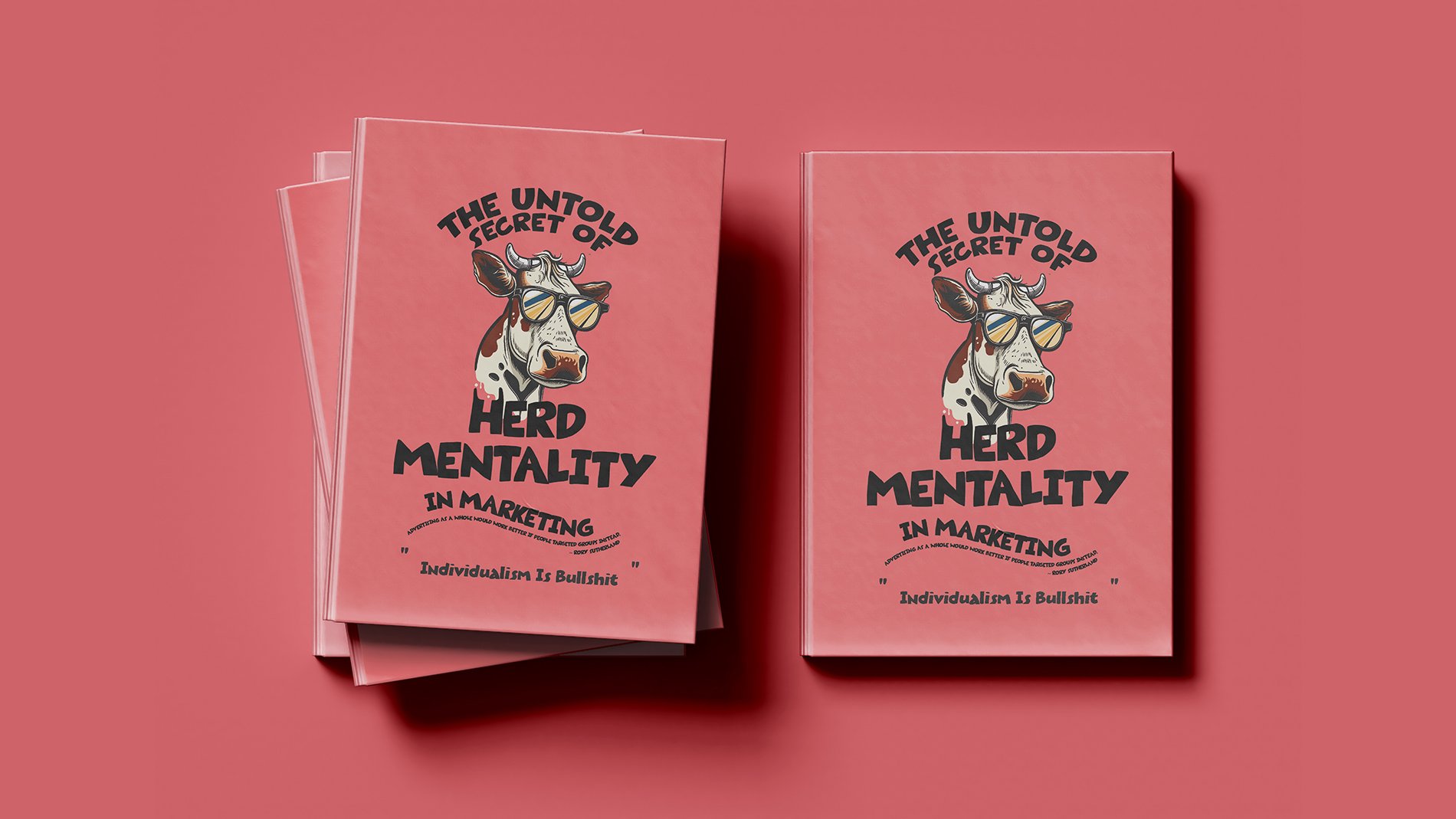
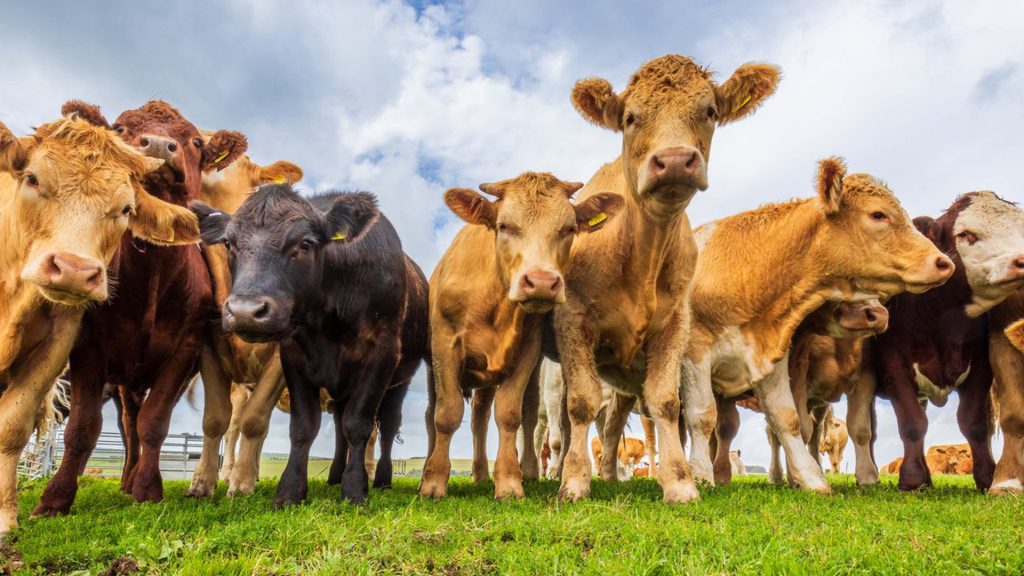
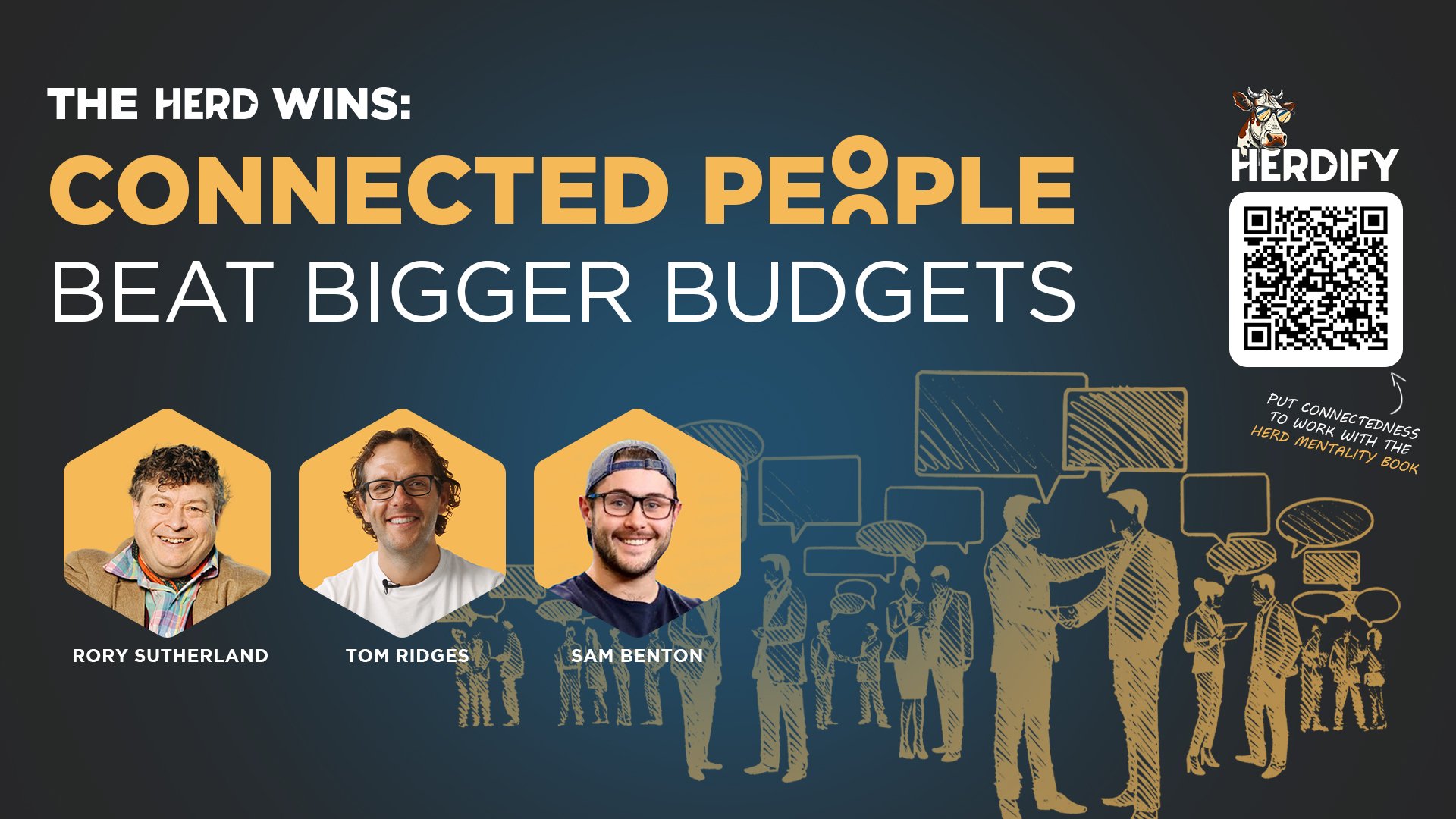
Demographic targeting is old news. Cookies are crumbling faster than my resolve at a dessert buffet. The future belongs to brands that understand behaviour spreads through real-world networks, not isolated clicks. Find your herd. Show up where they already are. Then let human nature do the heavy lifting while you sip your wine and pretend it was all part of a master plan.That’s why we wrote Herd Mentality. It’s not another smug marketing book stuffed with jargon and meaningless graphs. It’s a slightly irreverent, definitely practical guide to working with the herd instead of shouting at it.
Want to Know More?
Inside, you’ll find real-world examples, slightly embarrassing truths about human behaviour, and a framework for finding customers by following the herd. We’re all just copying each other, your job is to make sure they’re copying you.Grab your copy of Herd Mentality today. It’s cheaper than therapy and slightly more useful than another inspirational LinkedIn post about “thinking differently.”
.png)