
What the UK Giving Report means for charity marketers in 2025
If you are leading marketing at a charity right now, you have probably noticed a tension that no spreadsheet can hide. Donations are holding up, even rising in some places, but the number of people giving at all is shrinking. Volunteering is down too. So the money is there, but the crowd is thinning, like a pub quiz that still takes your £2 entry fee but suddenly only three teams bother turning up.
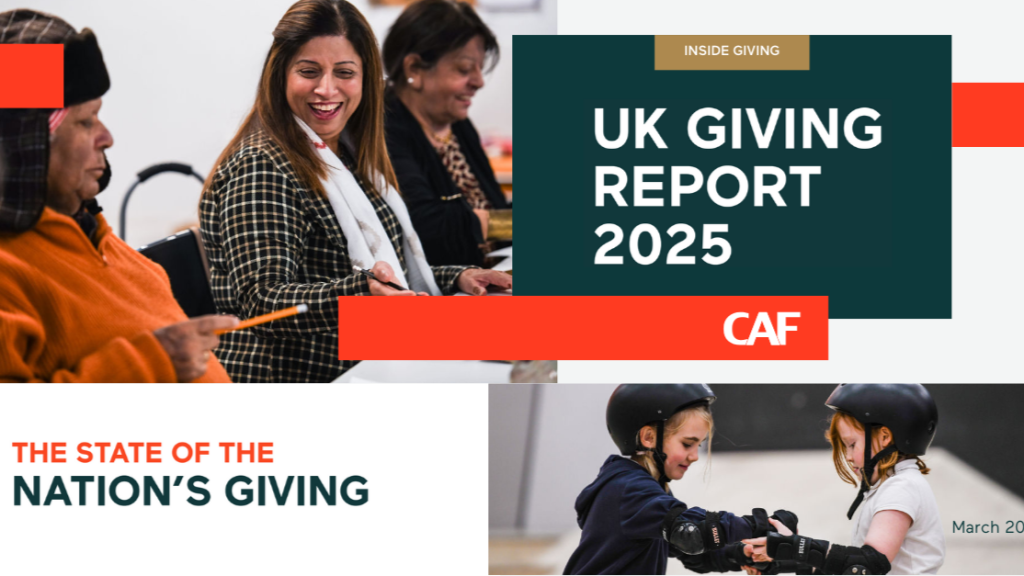
That is the central truth of the UK Giving Report 2025, a key piece of research for charity marketing leaders. It tells us that:
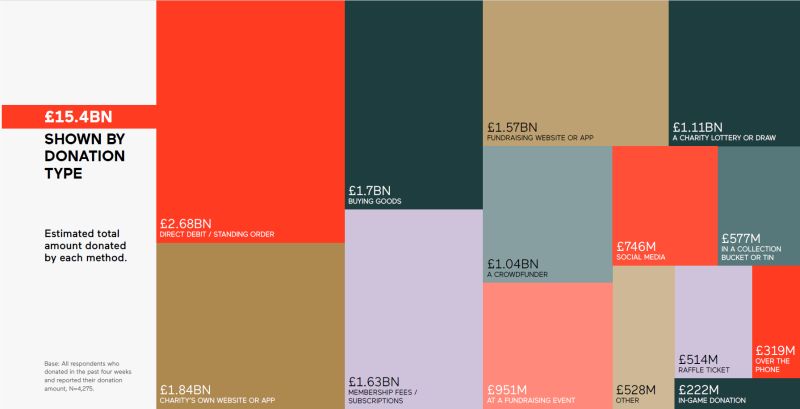
- Total donations hit £15.4bn in 2024, an increase on 2023.
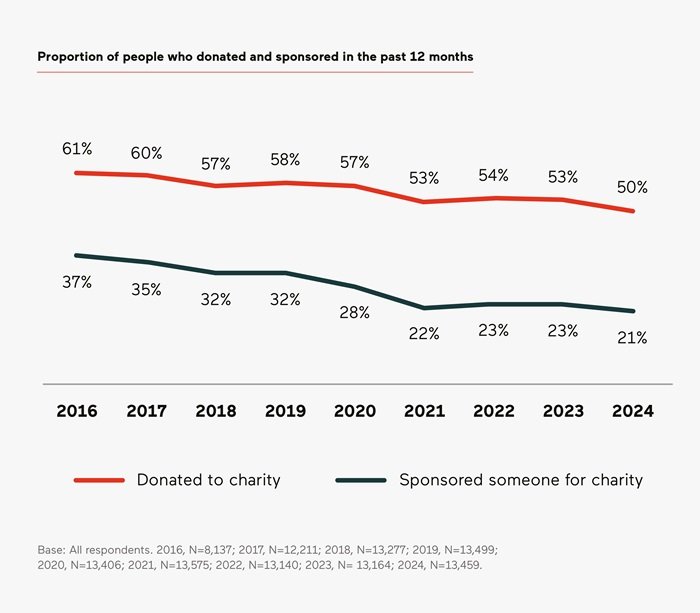
- Only 50% of adults gave or sponsored in the last year.
- Volunteering dropped by around 1.5m people.
- Among 16–24s, just 36% donated, the lowest of any age group.
- Fewer donations overall, but the average gift is bigger.
On paper, it looks fine. In reality, it is more fragile than it seems.
The problem for charity CMOs
Trustees see £15bn and think “job done.” What they do not see is the participation gap: fewer donors, fewer volunteers, and an audience that is becoming pickier and harder to engage.
The challenge for you, as a CMO or head of marketing, is clear: how do you prove growth when the herd itself is shrinking? How do you hold on to loyalty when younger supporters are more likely to share a cause on TikTok than set up a direct debit?
What the data is really saying
The report is not just numbers. Hidden in the detail are signals that matter for how you plan charity marketing strategy:
- Selective donors. People are giving more per gift but to fewer charities. That means cut-through and connection matter more than ever.
- Community pull. Post-pandemic, people still want to feel part of something bigger than themselves. They may only give a small amount, but they want to do it alongside others.
- Channel shifts. Face-to-face is making a comeback, while cold mail is down. Digital is noisy, so smarter targeting is key.
- Gift Aid confusion. Younger donors are less likely to tick the box, not because they do not care, but because the benefit is not clear.
Our lens on the report
This is where word of mouth marketing for charities becomes central. The report shows most donations are still prompted by someone the donor knows, a friend, a neighbour, a colleague. Not an ad, not a celebrity endorsement, but actual social proof.
If the pool of donors is shrinking, it becomes even more important to find the pockets where conversation already lives and build from there. In network terms, fewer nodes means every connection matters more.
What charity marketers can do next
Here are four practical moves to take back to your team:
- Prioritise communities over demographics. Instead of chasing “women 25–44,” find the postcodes or clusters where your cause is already part of the chat. That is where campaigns will stick.
- Lean into supporter journeys that feel human. Tie comms to moments that matter: anniversaries, milestones, local news spikes. When budgets are flat, timing is your best friend.
- Tackle Gift Aid head-on. Reframe it as free money for the cause: “Tick this box and your £10 becomes £12.50, at no cost.”
- Test face-to-face where talk is strong. With participation down, do not waste effort on cold ground. Plant fundraisers where the soil is already fertile.
Where Herdify helps
Our role is to map the communities where word of mouth is already driving your cause. That way, your team can put limited budget into the areas most likely to respond and build stronger supporter engagement.
For example:
- KSS Air Ambulance focused their face-to-face fundraising on localities where chatter was already strong, delivering record-breaking efficiency.
- RSPCA cut wasted spend by targeting communities already talking about animal welfare, driving higher supporter engagement at lower cost.
- The Salvation Army prioritised outreach in supporter clusters we identified, turning scarce budget into broader reach.
Final thought
The UK Giving Report 2025 makes one thing clear: money is holding, but participation is not. The job for charity marketers is not to do more shouting. It is to find the conversations that are already happening and stand where the herd is moving. That is how you prove growth when everyone else is chasing noise.

FAQ's
What is the UK Giving Report 2025?
It is CAF’s annual report on charitable giving in the UK, showing that donations remain strong at £15.4bn, but fewer people are giving or volunteering.
What does the UK Giving Report 2025 mean for charity marketers?
It highlights a participation gap. Fewer donors are giving, but average gift sizes are rising. Marketers need to focus on smarter targeting and supporter engagement.
How can charities use word of mouth marketing?
Most donations are triggered by someone the donor knows. Mapping communities where conversations already exist helps charities cut wasted spend and improve results.
What should charity CMOs prioritise in 2025?
Community-driven campaigns, clear supporter journeys, better Gift Aid messaging, and targeting areas where donor conversations are already strong.
.png)