Target Market Segmentation Tools for Marketing Campaigns in 2025
Marketing in 2025 isn’t just about clicks and conversions—it’s about finding the right people, in the right places, and understanding how real human behaviour influences buying decisions. You’re not just looking for a tool; you’re looking for a smarter way to connect with your audience and cut through the noise.
And that’s where target market segmentation comes in. The right tools can help you understand your audience more deeply, improve your ROI, and avoid wasting budget on broad, ineffective campaigns. But not all tools are created equal. Especially as we shift away from third-party cookies and lean into first-party data, you’ll need solutions that go beyond surface-level insights.
Let’s explore how segmentation is evolving, the tools leading the charge, and how behavioural science (yes, including your offline influence) will give you the edge in 2025.

What is target market segmentation?
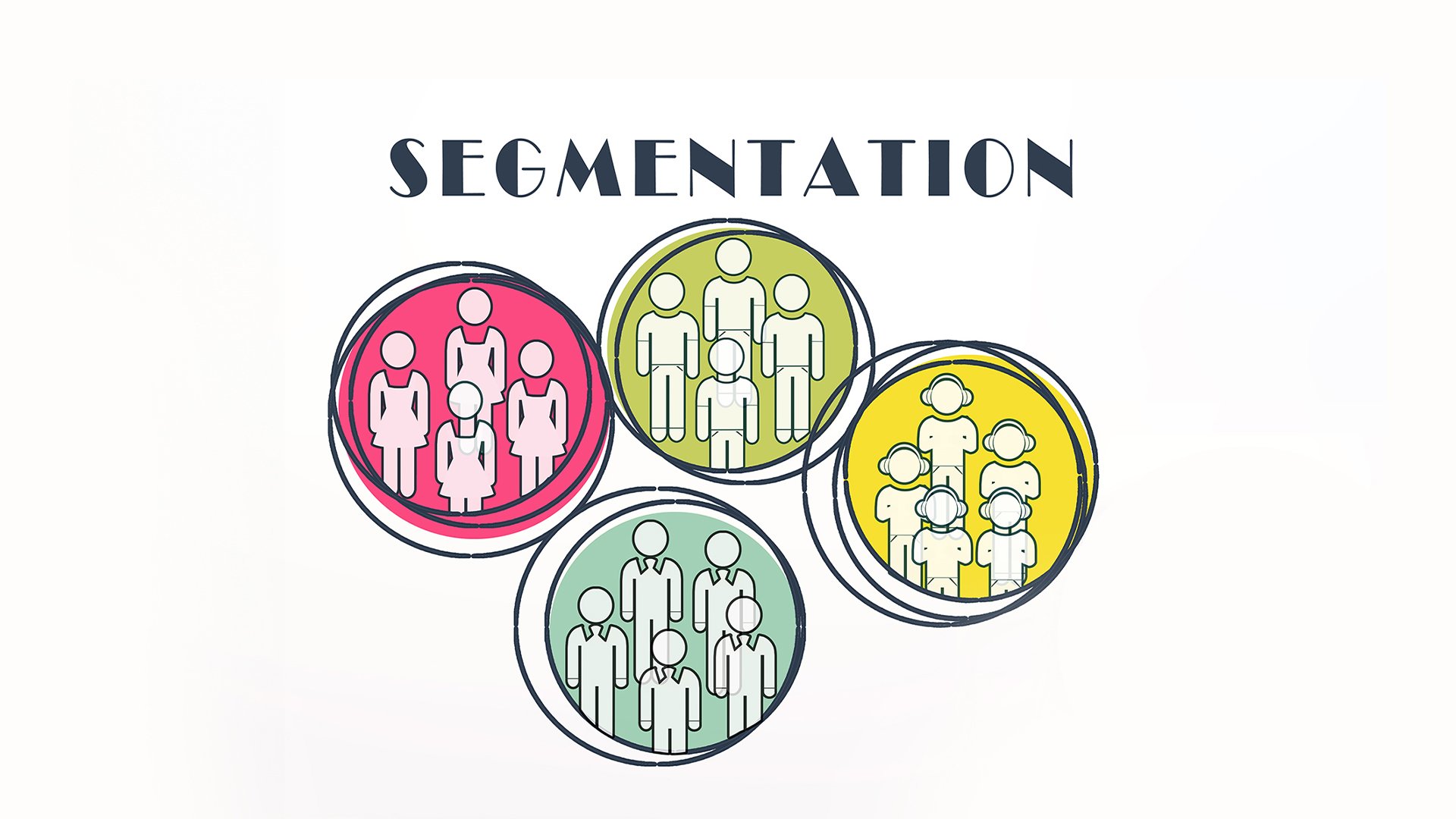
Target market segmentation is the process of dividing your audience into smaller groups based on shared characteristics. These groups might be demographic (like age or income), psychographic (interests and values), geographic (location), or behavioural (how they interact with your brand).
The aim? Better targeting. Stronger messaging. More efficient campaigns.
With tighter budgets and greater pressure to prove ROI, marketers and agencies in 2025 are focusing more than ever on the quality of their segments rather than just the quantity of impressions.
Why segmentation matters more than ever in 2025
Two words: economic pressure.
Marketers are being asked to do more with less. At the same time, privacy changes like the deprecation of third-party cookies are forcing a shift towards first-party data. This puts segmentation at the heart of any smart marketing strategy.
But here's the kicker: not all segmentation is created equal. While many tools offer demographic and online behavioural segmentation, they completely ignore the complex web of offline social influence that shapes consumer decisions.
Platforms like Herdify bring that missing layer. By identifying influential community members and uncovering real-world patterns, brands can tap into behavioural shifts that traditional tools miss.
Just ask the RSPCA, who saw a 23% uplift in donations by identifying communities where giving was already spreading offline—places that weren’t even on their radar before.

The four key types of market segmentation (and why behavioural is booming)
1. Demographic segmentation
This includes characteristics like age, gender, income, occupation, and education. While useful, it's often too broad to guide truly personalised campaigns.
2. Psychographic segmentation
Here we dig into lifestyle, personality, interests, and values. It's great for building brand affinity, but can be tricky to measure accurately.
3. Geographic segmentation
Location-based targeting helps tailor messaging to local identity and preferences. Especially useful for regional offers or physical store locations.
4. Behavioural segmentation
This is where things get really juicy. It focuses on actual behaviours: purchasing habits, brand loyalty, usage rates, and crucially—offline influence.
Offline influence includes things like a neighbour recommending a charity, a friend showing you a new delivery box service, or word-of-mouth buzz in a local area. It’s hard to spot in digital dashboards, but tools like Herdify are built to surface it.
In Abel & Cole’s case, areas identified as having existing communities showed 120% higher response rates to door drops compared to areas without community influence.
What to look for in target market segmentation tools
As you evaluate segmentation software for your 2025 campaigns, consider tools that include:
Offline influence tracking
The ability to map social influence in physical communities is a game-changer. This is Herdify’s bread and butter.
Predictive analytics (network science)
Don’t just react—predict. Advanced modelling can forecast where your message is likely to spread next, helping you prioritise the right segments.
CRM and tech stack integration
You want segmentation data that plugs directly into your CRM and activation platforms to keep things seamless.
Real-time insights
Markets move fast. Your segmentation tools should update and adapt just as quickly, feeding your teams with live data they can act on.

Top market segmentation tools in 2025 (with a spotlight on behavioural prowess)
Most market segmentation tools fall into one of three buckets: demographic profilers, survey-based systems, and behavioural insight platforms. Below, we explore how they compare—especially when it comes to understanding why audiences take action, not just who they are.
1. Herdify
Best for: Behavioural segmentation and offline social influence
What makes it different: Rather than profiling people based on static data or survey responses, Herdify uses network science to uncover where behaviour is already spreading in the real world. It helps brands pinpoint influential communities, so campaigns can amplify what’s already happening offline.
Real-world impact: Charities like the RSPCA saw a 23% uplift in donations, while challenger brands like Who Gives A Crap experienced 3.4x customer penetration in regions identified through offline influence.
2. Experian Mosaic / Acorn (CACI)
Type: Demographic data clusters
Strengths: Good for understanding broad lifestyle traits and postcode-based groupings
Limitations: Insights are often category-generic, meaning your audience looks the same as your competitors'. These tools can tell you who lives where—but not why they engage with your brand.
Best used as: A secondary dataset to enrich targeting after behavioural insights have defined the high-potential areas.
3. Kantar TGI / GWI / YouGov
Type: Survey-based consumer panels
Strengths: Offer broad reach, pre-built audience segments, and good dashboards for category-level trends
Limitations: Self-reported data is subject to the “say-do gap” (what people say vs. what they actually do). These tools are common across the industry, making differentiation harder.
Best used for: Category-level insights or trend spotting—not for audience activation or campaign targeting.
4. Audiense
Type: Social and psychographic segmentation
Strengths: Ideal for segmenting audiences based on interests, social conversations, or affinities
Limitations: Doesn’t map offline influence or real-world social dynamics. Strong for cultural insights, but less helpful for behaviour-first campaign planning.
Best for: Brand strategy, influencer marketing, and persona development
5. Starcount / Fifty / Focaldata / Kogenta / Blis
Type: Mixed data and behavioural modelling platforms
Strengths: These tech-first platforms offer varying combinations of analytics, media activation, and modelling
Limitations: Many rely on digital signals only—meaning offline influence and community momentum are often missed.
Use with caution: Can complement a behavioural-first approach, but may over-index on dashboards rather than action.
The future of segmentation: Where we’re headed
Looking ahead, the segmentation game is becoming even more refined, and successful marketers will be those who embrace complexity instead of avoiding it. Here’s what we can expect:
- AI-Driven Targeting: AI will increasingly replace manual list-building by automating real-time audience creation based on live customer signals. Instead of segmenting by past behaviour alone, AI will use predictive inputs like interest spikes, sentiment shifts, and location movement.
- Offline Data Integration: Tools that combine behavioural signals with geographic and community data will dominate. Offline influence is no longer a "nice to have"—it’s critical to uncover hidden opportunities, as shown by the RSPCA and Abel & Cole’s impressive results.
- Community-Centric Campaigning: The future is hyper-local. By focusing on micro-communities and using segmentation to power grassroots-style engagement, brands will earn loyalty and drive deeper relationships.
- Privacy-First Targeting: With regulations tightening and consumers becoming more privacy-conscious, the winners will be those that deliver relevance without invading personal boundaries. First-party and zero-party data (user-supplied preferences) will play a much bigger role.
- Self-Optimising Campaigns: We’re on the cusp of tools that not only segment automatically but continuously learn and adapt campaign parameters. Expect your targeting rules to evolve dynamically based on performance data.
Frequently asked questions about target market segmentation
Why is behavioural segmentation better than demographic targeting?
Behavioural segmentation reflects what people actually do—not just who they are. While demographic data gives you the "what," behaviour tells you the "why"—and that’s where the magic happens. It’s based on actions and intent, which often predicts future engagement more accurately.
Can segmentation tools really improve ROI?
Yes. The RSPCA increased donations by 23% using behavioural segmentation to target offline influencers. Abel & Cole saw 120% higher response rates in community-targeted areas. Segmentation done right turns guesswork into precision—and that means more value from every pound spent.
Is this only for big brands?
Not at all. Challenger brands like Who Gives A Crap used segmentation to outsmart bigger players and saw 3.4x higher penetration in key areas. The right tools make sophisticated strategies accessible to smaller teams.
What if I’m already using a CRM?
Great! Look for tools like Herdify or Segment that integrate directly with your CRM and enhance your existing workflows. This allows you to layer advanced targeting on top of your current data without overhauling systems.
How often should I update my segmentation strategy?
Ideally, segmentation should be a living, breathing process. With access to real-time data, you can revisit and refine your segments monthly—or even weekly—depending on campaign cadence and performance insights.
What’s the best way to start with behavioural segmentation?
Start by auditing your existing data to identify behavioural trends. Then work with a tool like Herdify to uncover offline community dynamics and predictive insights. Begin with a test campaign to compare traditional versus behaviour-first targeting.
Shaping smarter segments for a smarter market
In a year where marketing budgets are under the microscope, segmentation is your secret weapon. But not just any segmentation. You need to go deeper—into behaviours, communities, and influence.
With tools like Herdify leading the way in offline social insight and predictive analytics, marketers can finally match their digital targeting with real-world context.
If you're ready to stop guessing and start influencing, it's time to upgrade your segmentation strategy. Book a demo with Herdify and let’s find the herds that are already waiting for you.
.png)