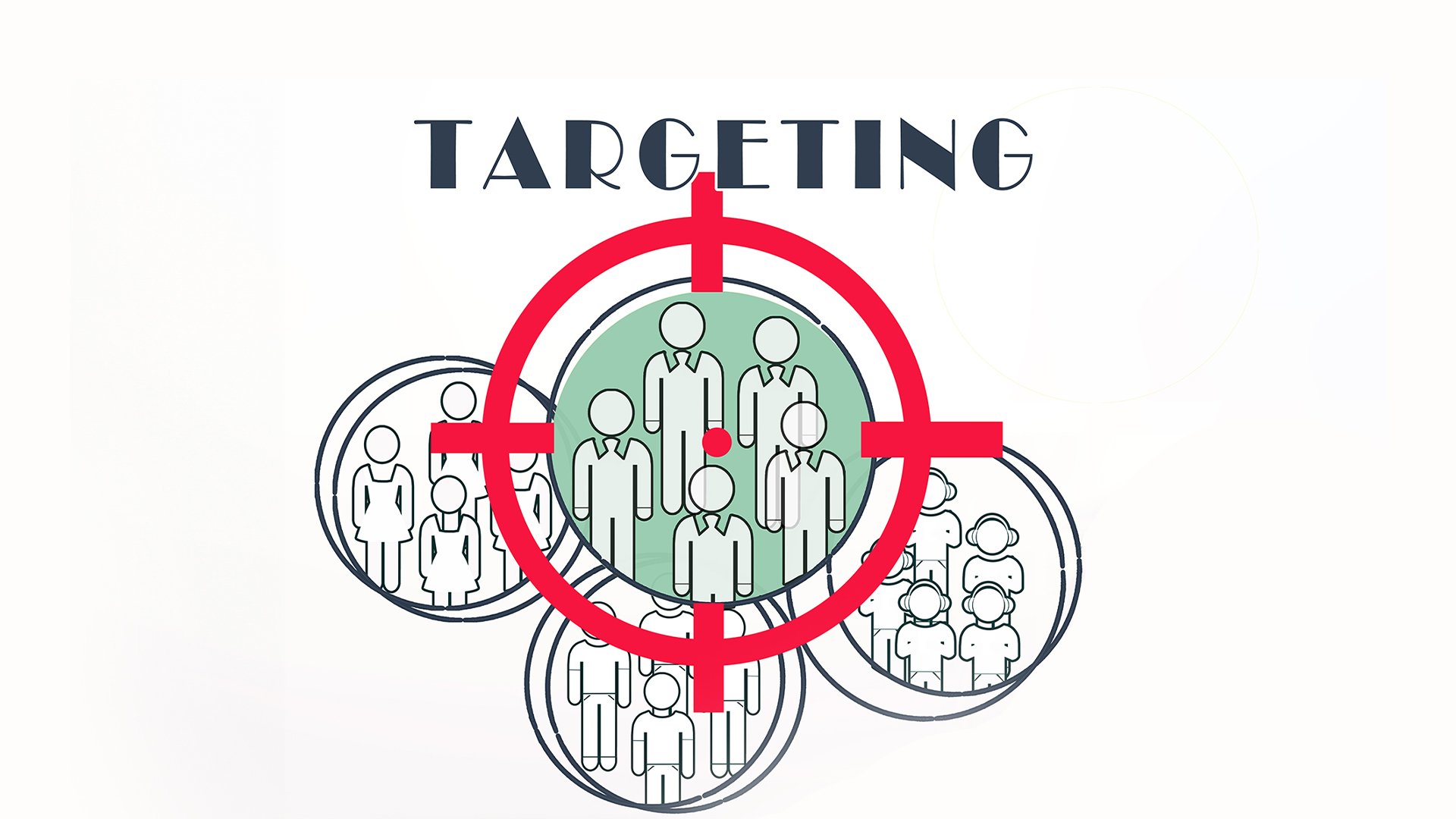
Top 5 AI Customer Segmentation Tools for More Precise Audience Targeting
If you've ever felt like you're shouting into the void with your marketing campaigns, you’re not alone. It’s not that your message is wrong—it’s that it’s not reaching the right people at the right time. That’s where AI-powered customer segmentation tools come in. In 2025, they’re more essential than ever.
With marketing budgets under pressure, data privacy tightening, and digital noise at an all-time high, precision is everything. But precision doesn't come from hunches. It comes from smart data—and smarter tools that know how to use it.
So let’s look at what AI segmentation really means, what to look for in a tool, and our top five picks (including the one that knows how to read the room offline).

Why AI is changing the game in customer segmentation
Traditional segmentation—demographics, email opens, purchase history—has its place. But it’s reactive. It’s based on what’s already happened. It paints a picture of who your customer was, not who they will be. And in today’s fast-moving, multi-channel landscape, that just isn’t good enough.
AI flips that. It helps you:
- Predict customer behaviour before it happens
- Adapt campaigns in real time
- Cut wasted spend by focusing on high-propensity segments
- Identify subtle patterns across channels that humans might miss
- Create and test audience groups without starting from scratch
Instead of relying on assumptions or static traits, AI observes behaviours as they evolve. For instance, it can detect that a customer who watched a product video, opened two related emails, and browsed your reviews is showing intent—even if they haven’t converted yet.
This isn’t just about automation. It’s about insight—deep, behavioural, often invisible to traditional tools. AI doesn’t just track clicks; it learns from patterns, context, and influence. It understands that human decision-making is messy, emotional, and often shaped by peers, timing, and even geography. The best segmentation tools are those that can not only capture this nuance, but activate it in a meaningful way.

The top 5 AI customer segmentation tools in 2025
There’s no shortage of tools out there promising smarter targeting, but not all of them deliver real insight. These five stand out for their ability to combine AI, automation, and actionable intelligence—giving marketers an edge where it counts. Whether you're leading an enterprise campaign or a local roll-out, these platforms can help you segment with purpose and precision.
1. Herdify
Best for: Behavioural segmentation with offline influence insights
What makes it unique: Herdify doesn’t just look at what people click—it maps out where behaviour is already spreading in the real world. Using network science and predictive analytics, it helps brands and agencies identify influential communities where campaigns are more likely to succeed.
Standout feature: Offline influence tracking that reveals where social behaviour is shifting—before it hits your dashboards.
Real-world result: Who Gives A Crap used Herdify to enhance media targeting. In areas with offline buzz, customer penetration increased by 3.4x, showing just how powerful community influence can be.
Also trusted by: RSPCA and Abel & Cole, who both saw significant ROI uplift through community-led targeting.
Why it matters: In a world obsessed with digital signals, Herdify helps you surface the real-world influence driving decisions—conversations over dinner, not just clicks online. For marketers ready to blend behavioural science with strategy, this tool opens a new layer of targeting sophistication.
Ideal use case: Perfect for charities, sustainability-led brands, challenger products, and agencies looking to target untapped but influence-heavy communities. Whether you're aiming to raise donations, launch locally, or identify your next loyal customer base, Herdify gives you the map.
2. Optimove
Best for: CRM marketers looking to scale personalisation
What makes it unique: Optimove uses AI to autonomously segment users, predict future behaviours, and trigger multichannel journeys.
Strength: Built-in orchestration engine and self-optimising campaigns.
Standout capability: Its real-time journey orchestration allows brands to build continuous dialogue with their customers across email, SMS, push notifications, and more. Rather than just grouping similar users, it helps tailor ongoing experiences that evolve with your customer lifecycle.
Ideal for: Retailers, e-commerce businesses, and loyalty-driven B2C brands that need smarter automation without sacrificing personalisation.
3. SAS Customer Intelligence 360
Best for: Enterprise businesses with complex segmentation needs
What makes it unique: Uses machine learning to segment users and run "what-if" simulations across customer journeys.
Strength: Real-time decisioning and strong privacy controls.
Why it’s trusted: Financial institutions love SAS for its security and governance features, which are top-notch for regulated environments.
Standout advantage: Its forecasting tools can model campaign impact before launch, helping large teams avoid expensive misfires.
Ideal for: Financial services, telecom, healthcare, and other data-heavy sectors with stringent compliance requirements.
4. Adobe Real-time CDP
Best for: Cross-channel marketing at scale
What makes it unique: Combines AI with first-party data to create unified customer profiles and enable hyper-personalised targeting.
Strength: Adobe Sensei AI, strong visualisation tools, and built-in audience scoring for prioritisation.
Watch out for: A steep learning curve for non-enterprise users.
Notable edge: Integrates with Adobe’s full suite, making it ideal for brands already embedded in the Adobe ecosystem. Once implemented, it allows seamless activation across media buying, email campaigns, and on-site personalisation.
Best fit: Retail, travel, and media companies running omnichannel experiences that require tight creative alignment and high-speed activation.
5. Segment (by twilio)
Best for: Developers and growth teams needing custom segmentation
What makes it unique: Collects and unifies data across platforms, then feeds that clean data into downstream tools like analytics, email, and ad platforms.
Strength: High flexibility, great API support, and transparent customer data pipelines.
Additional capabilities: Supports event tracking, audience building, data enrichment, and identity resolution—all in one ecosystem.
Best fit: SaaS companies, marketplaces, and tech scaleups with engineering teams that want granular control over customer data and user journeys.
Why it stands out: Segment empowers teams to create bespoke segmentation logic based on user behaviour across web, mobile, and backend systems—perfect for brands building their own growth stack.

Case study deep dive: Behavioural AI in action
Let’s take a closer look at Who Gives A Crap, the sustainable toilet paper brand that needed to make every pound count.
Instead of blasting ads blindly, their agency used Herdify to analyse first-party sales data and pinpoint areas of strong offline influence. Locations with active community-driven buzz received integrated campaigns (OOH, TV, door drops).
This method allowed them to use behavioural science to direct spend more intelligently. Where traditional tools may have suggested high-performing demographic zones, Herdify revealed where word-of-mouth influence was already doing the groundwork. These insights were based on peer-to-peer behaviour, not ad impressions.
The result?
- 3.4x higher new customer penetration
- More efficient ad spend
- A blueprint for future campaigns that double down on word-of-mouth momentum
The team didn’t just save money; they learned where their message naturally resonated. This is a core strength of behavioural AI—it uncovers why certain areas or audiences respond, not just where.
With that insight, their future campaigns became more focused, scalable, and rooted in real-world human behaviour. No guesswork. Just actionable intelligence.
Common AI customer segmentation tool questions
How is AI segmentation different from traditional methods?
AI doesn’t just cut lists—it identifies dynamic patterns in behaviour, predicts outcomes, and adjusts in real time. Traditional methods rely on static rules. AI adapts. With machine learning, your segments are always evolving based on new inputs and real-world results.
Is offline influence really measurable?
With tools like Herdify, yes. They use network science to detect where influence is happening—even when it doesn’t show up in your digital analytics. Offline influence is often the missing layer in a campaign—what makes a message spread organically, without a click trail.
Can small businesses benefit from AI segmentation tools?
Absolutely. Many tools (like Segment and Herdify) scale according to your size. Challenger brands often see some of the biggest ROI gains because they’re nimble and can adopt behaviour-first strategies quickly. Even smaller charities and regional businesses can see immediate uplift by targeting communities with high organic influence.
Do I need a data science team to use these tools?
Some enterprise tools might require deeper expertise (e.g., SAS, Adobe), but many platforms now include no-code or low-code interfaces built for marketers. Look for tools with guided onboarding or visual journey builders if your team has limited technical skills.
How often should I refresh my segments?
With AI tools, segments can refresh automatically based on real-time inputs. No more static lists sitting idle in your CRM. As user behaviour shifts, your campaigns should adapt too—especially in fast-moving sectors like retail or digital services.
What kind of data do I need to get started?
Start with first-party data—email activity, purchases, location data, CRM engagement. Many AI segmentation platforms can also enrich your data using third-party sources or behavioural overlays, helping you see patterns you didn’t know existed.

Bringing precision to customer engagement
AI segmentation isn’t a luxury in 2025—it’s the baseline for effective marketing. But the smartest brands are going beyond dashboards and digging into behaviours, context, and influence.
Whether you’re a charity trying to stretch every donor pound or a growth-stage brand looking for your next 10,000 customers, AI segmentation tools can help you:
- Predict with confidence
- Spend with precision
- Grow through influence
And if you want to see the full picture—digital and real-world—Herdify’s behavioural approach is the one to watch.
Curious? Book a demo with Herdify and see what the herd can reveal.
The future of segmentation: Where we’re headed
Looking ahead, the segmentation game is becoming even more refined, and successful marketers will be those who embrace complexity instead of avoiding it. Here’s what we can expect:
- AI-Driven Targeting: AI will increasingly replace manual list-building by automating real-time audience creation based on live customer signals. Instead of segmenting by past behaviour alone, AI will use predictive inputs like interest spikes, sentiment shifts, and location movement.
- Offline Data Integration: Tools that combine behavioural signals with geographic and community data will dominate. Offline influence is no longer a "nice to have"—it’s critical to uncover hidden opportunities, as shown by the RSPCA and Abel & Cole’s impressive results.
- Community-Centric Campaigning: The future is hyper-local. By focusing on micro-communities and using segmentation to power grassroots-style engagement, brands will earn loyalty and drive deeper relationships.
- Privacy-First Targeting: With regulations tightening and consumers becoming more privacy-conscious, the winners will be those that deliver relevance without invading personal boundaries. First-party and zero-party data (user-supplied preferences) will play a much bigger role.
- Self-Optimising Campaigns: We’re on the cusp of tools that not only segment automatically but continuously learn and adapt campaign parameters. Expect your targeting rules to evolve dynamically based on performance data.
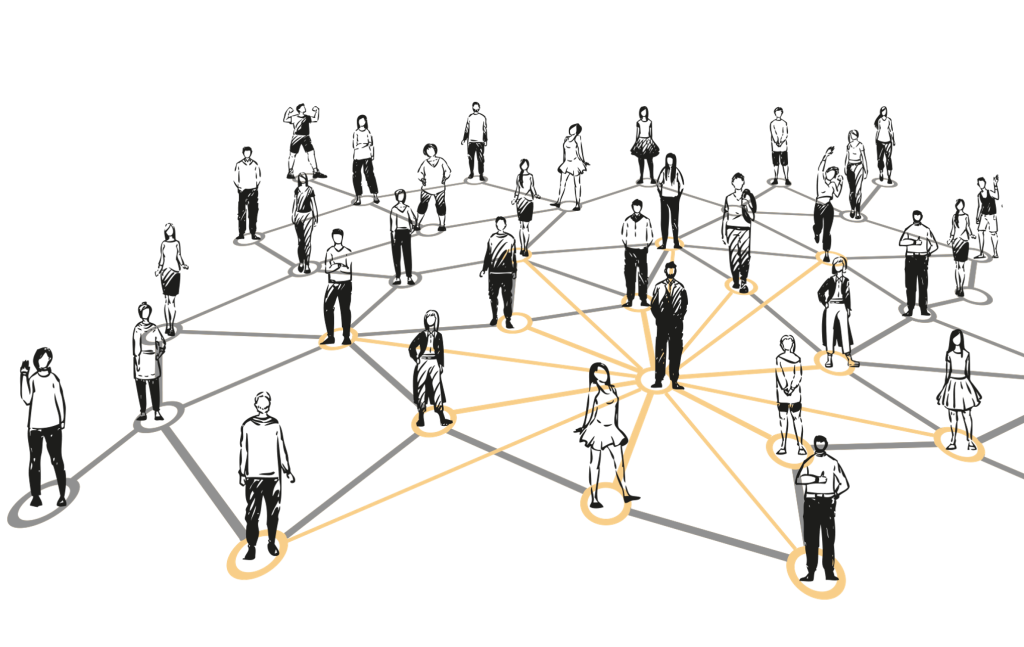
Frequently asked questions about target market segmentation
Why is behavioural segmentation better than demographic targeting?
Behavioural segmentation reflects what people actually do—not just who they are. While demographic data gives you the "what," behaviour tells you the "why"—and that’s where the magic happens. It’s based on actions and intent, which often predicts future engagement more accurately.
Can segmentation tools really improve ROI?
Yes. The RSPCA increased donations by 23% using behavioural segmentation to target offline influencers. Abel & Cole saw 120% higher response rates in community-targeted areas. Segmentation done right turns guesswork into precision—and that means more value from every pound spent.
Is this only for big brands?
Not at all. Challenger brands like Who Gives A Crap used segmentation to outsmart bigger players and saw 3.4x higher penetration in key areas. The right tools make sophisticated strategies accessible to smaller teams.
What if I’m already using a CRM?
Great! Look for tools like Herdify or Segment that integrate directly with your CRM and enhance your existing workflows. This allows you to layer advanced targeting on top of your current data without overhauling systems.
How often should I update my segmentation strategy?
Ideally, segmentation should be a living, breathing process. With access to real-time data, you can revisit and refine your segments monthly—or even weekly—depending on campaign cadence and performance insights.
What’s the best way to start with behavioural segmentation?
Start by auditing your existing data to identify behavioural trends. Then work with a tool like Herdify to uncover offline community dynamics and predictive insights. Begin with a test campaign to compare traditional versus behaviour-first targeting.
Shaping smarter segments for a smarter market
In a year where marketing budgets are under the microscope, segmentation is your secret weapon. But not just any segmentation. You need to go deeper—into behaviours, communities, and influence.
With tools like Herdify leading the way in offline social insight and predictive analytics, marketers can finally match their digital targeting with real-world context.
If you're ready to stop guessing and start influencing, it's time to upgrade your segmentation strategy. Book a demo with Herdify and let’s find the herds that are already waiting for you.
.png)